
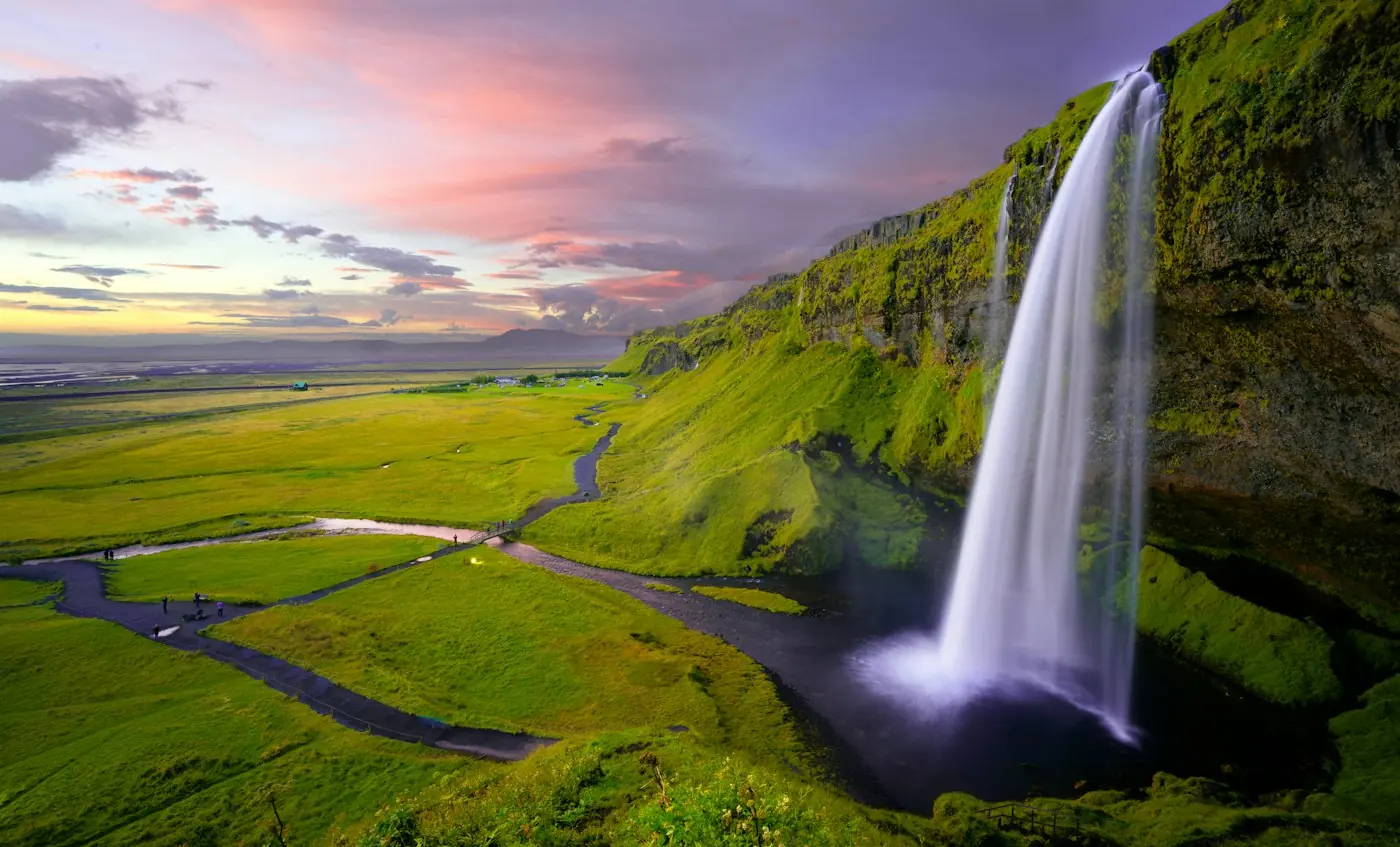
Iceland is really two countries sharing one flight path: a green one that never quite goes dark and a white one that barely gets light. The waterfalls are the same and so is the three-hour flight from London, but almost everything else about the trip changes with the calendar.
I have been in both seasons more than once, and I no longer think one is better. What matters is how you like to spend a day, how you feel about driving on ice, and whether you would rather chase puffins or a green smear in the sky. Here is how the two trips really differ, followed by a packing list for each.
The two trips at a glance
All figures are rough, per person where it makes sense, and correct to the best of my knowledge at the time of writing. Iceland's prices move quickly, so treat them as a guide to the gap between seasons, not a quote.
| What changes | Summer (June to August) | Winter (November to February) |
|---|---|---|
| Daylight in Reykjavík | Up to about 21 hours in June | About 4 to 5 hours in December |
| Typical temperature | Roughly 10 to 15C | Roughly -3 to 3C, with wind |
| Roads | Ring Road easy, highland F-roads open from about late June | Ice, snow and sudden closures, highlands shut |
| Return flight from the UK | Roughly £150 to £350 | Roughly £80 to £250, more at New Year |
| Double room | Roughly £170 to £300 a night | Roughly £110 to £200 a night |
| Hire car | Small car, roughly £70 to £120 a day | 4x4, roughly £70 to £130 a day |
| Star attractions | Puffins, whales, highland hikes | Northern lights, ice caves |
Daylight sets the whole rhythm
In mid-June the sun in Reykjavík sets around midnight and rises around 3am, and the bit in between is a long dusk rather than night. You can reach Skógafoss at 10pm and have it nearly to yourself, which is the single best trick of the Icelandic summer. The coaches work office hours, so you do not have to.
In December the sun comes up at about 11.20am and is gone by about 3.30pm. It stays low, so those four hours have a long golden light that photographers love, but your day must be planned around it. Allow for one main stop before lunch and one after. Anything more ambitious ends with a drive in the dark on an icy road, which is not how you want to see the south coast.
Roads: the real difference
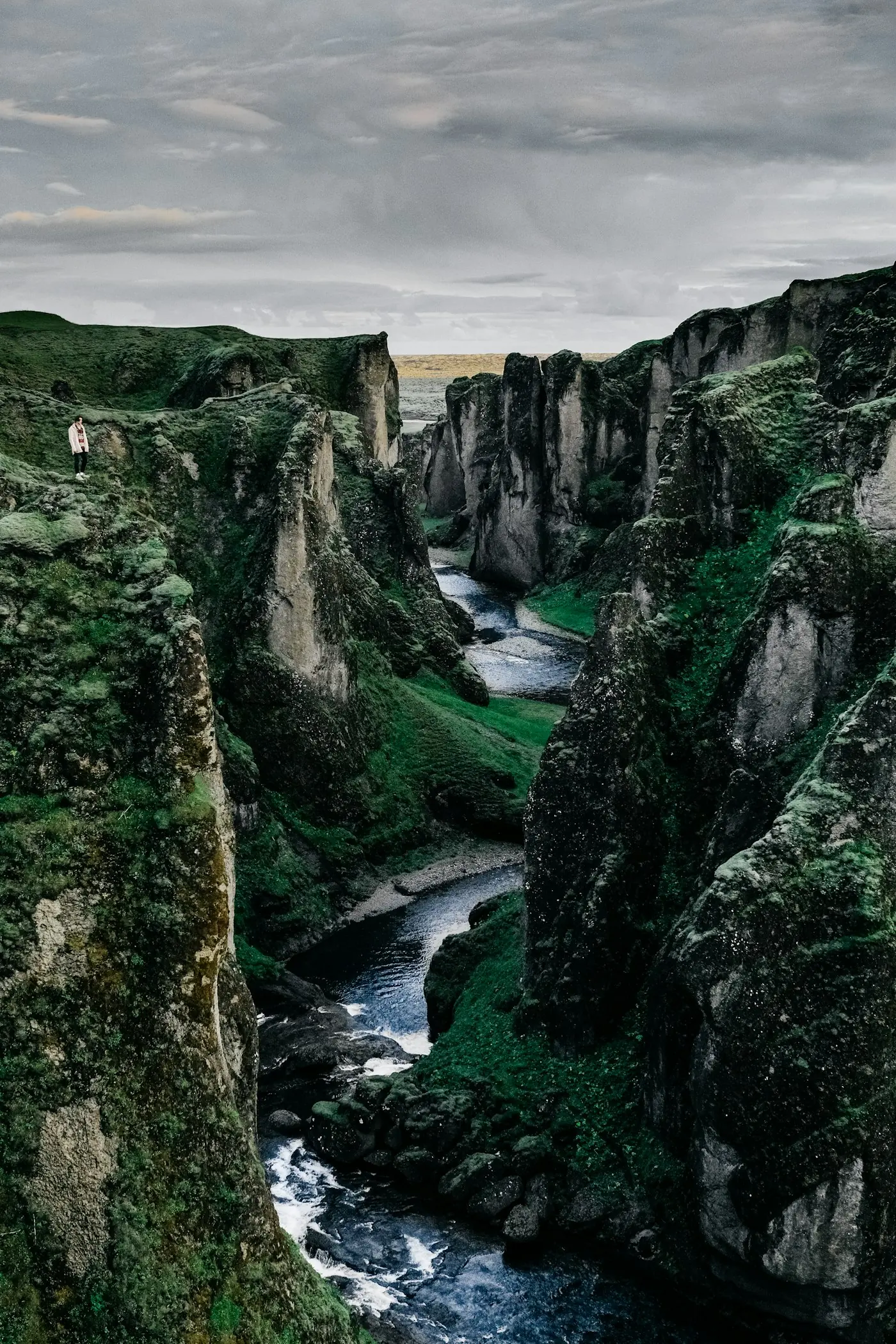
Summer driving is easy. The Ring Road, Route 1, runs for about 1,330 km and a sensible trip around it takes seven to ten days. The highland F-roads usually open from around late June to early September, depending on snowmelt, and they legally require a 4x4. River crossings on them are often excluded from hire insurance, so read the small print before you drive through anything wetter than a puddle.
Winter driving is a skill, and an honest question to ask yourself. Hire cars come with winter tyres, but Route 1 can close at short notice in storms, and wind is often more dangerous than snow. Check the official road conditions map and the SafeTravel alerts every morning, and be prepared to change the plan. From Reykjavík, Vík is about two and a half hours in good conditions and Jökulsárlón about five. Do not build a schedule that depends on those times in January.
If you have never driven on ice, do not start here. Base yourself in Reykjavík and take guided day trips by coach or minibus. You will see the Golden Circle and the south coast, and someone else takes the blame for the weather. Whatever the season, gravel cover on a hire car is worth having, and hold the door firmly when you open it, because the wind can bend it right back.
In summer you plan around the crowds. In winter you plan around the weather, and the weather does not read your itinerary.

Costs: cheaper in winter, but not by as much as you hope
Flights and rooms both fall in winter, often by a third or so outside Christmas and New Year. The savings are partly eaten by paid tours: a northern lights trip is roughly £50 to £100 and a guided ice cave visit can run from about £120 to £200. A hire 4x4 also costs about the same as a small summer car.
Food is expensive all year. Budget roughly £15 to £20 for soup and bread at lunch and £30 to £45 for a main course at dinner. In either season, breakfast from a supermarket and free, very good tap water will keep the daily total sensible. Local swimming pools are another all-year bargain, at a fraction of the price of the famous geothermal lagoons, and the hot tubs work just as well in a blizzard. Booking early helps most in July and August: for tactics on the fare itself, see our guide to finding cheap flights.
Sights: what you can only see in one season
- Summer only: the Landmannalaugar highlands and the Laugavegur trail, puffins (roughly May to August, at places such as Dyrhólaey and Látrabjarg), and the easy version of the Westfjords.
- Best in summer: whale watching from Húsavík, though some trips run in winter too.
- Winter only: natural ice caves under Vatnajökull, roughly November to March, and only with a qualified guide.
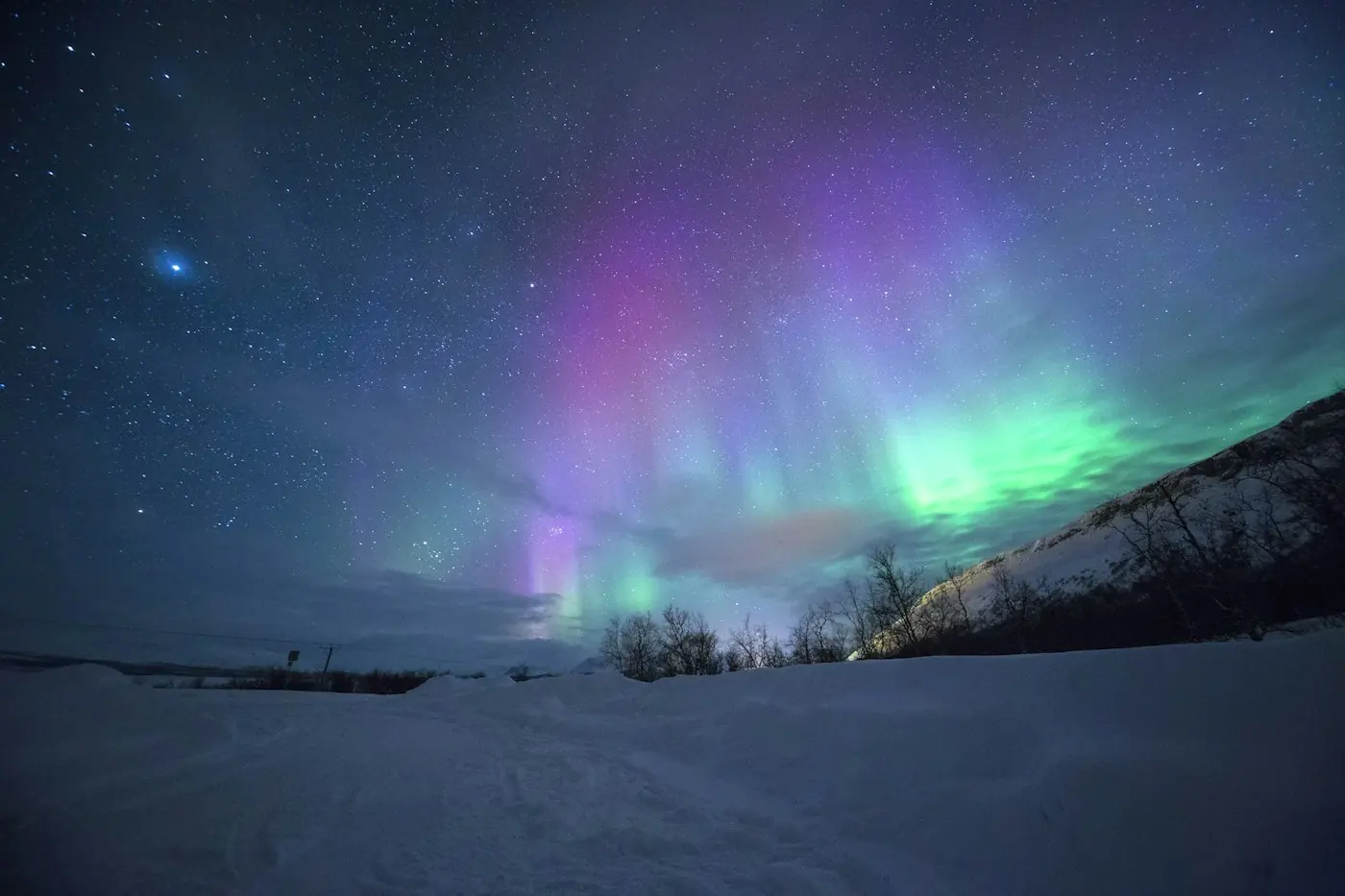
- Dark months: the northern lights, roughly September to mid-April. They need clear, dark skies and some luck, so never plan a trip around a single night.
- Both: the Golden Circle (Thingvellir, Geysir, Gullfoss), Seljalandsfoss, Skógafoss, Jökulsárlón and the black sand of Reynisfjara, where sudden waves are a serious danger all year. Stay well back from the water.
What to pack for summer
- Waterproof jacket and waterproof overtrousers: this is not optional, even in July
- Warm mid-layer, such as a fleece or light down jacket
- Two or three base layers that dry quickly
- Walking boots with real grip
- Hat and thin gloves: 12C with wind feels colder than it sounds
- Eye mask, because many bedroom curtains are not up to the job
- Swimming costume and a quick-drying towel
- Sunglasses and sun cream: the low sun is stronger than you expect
- Refillable water bottle
What to pack for winter
- Insulated waterproof jacket with a hood that stays on in wind
- Waterproof trousers, ideally with zips at the ankle so they go over boots
- Two sets of thermal base layers, plus a fleece
- Waterproof, insulated boots with a good tread
- Slip-on ice grips: cheap, light and the item people most regret leaving at home
- Warm hat, neck warmer and two pairs of gloves, one of them thin enough to use a camera
- Head torch, for short days and aurora watching
- Swimming costume: yes, really
- Power bank, since cold drains batteries quickly
Both lists fit in a cabin-sized bag if you wear the bulkiest items on the plane. Our seven-day backpack checklist covers the rest, and you can tick things off on the packing checklist page.
So which should you choose?
Go in summer if it is your first visit and you want to drive the whole Ring Road, walk in the highlands or travel with children, who will not care that it is 11pm and still light. Book cars and rooms months ahead for July and August, and skip the Golden Circle between 11am and 3pm, when it is at its most crowded.
Go in winter if you have four or five days, you mostly want the lights and ice, and you are happy to stay flexible around the south coast and Reykjavík. Skip any plan to circle the whole island.
If you really cannot decide, look at late September. The nights are dark enough for the aurora, the roads are usually still fine, the crowds have thinned and the moss has started to turn rust-red. It can be wet and windy, and the F-roads may already be closing, but it is the closest Iceland comes to offering both trips at once.
Comments (2)
Fiona MacAllister
Seconding the ice grips. We went in February and I laughed at my husband for buying them, then spent the whole Gullfoss path holding on to his arm. He has not let me forget it.
Daniel Osei
Thinking about the end of September with two teenagers. Would you still hire a 4x4, or is a normal car fine if we stick to the Ring Road?
VAMOSVIVER editors Editorial reply
On the Ring Road in late September a normal car is usually fine, but the weather can turn, particularly in the north and east. Stick to tarmac, take gravel cover and check the road conditions map each morning.
Leave your comment
Your email address will not be published. Comments appear after moderation. All fields are required.