
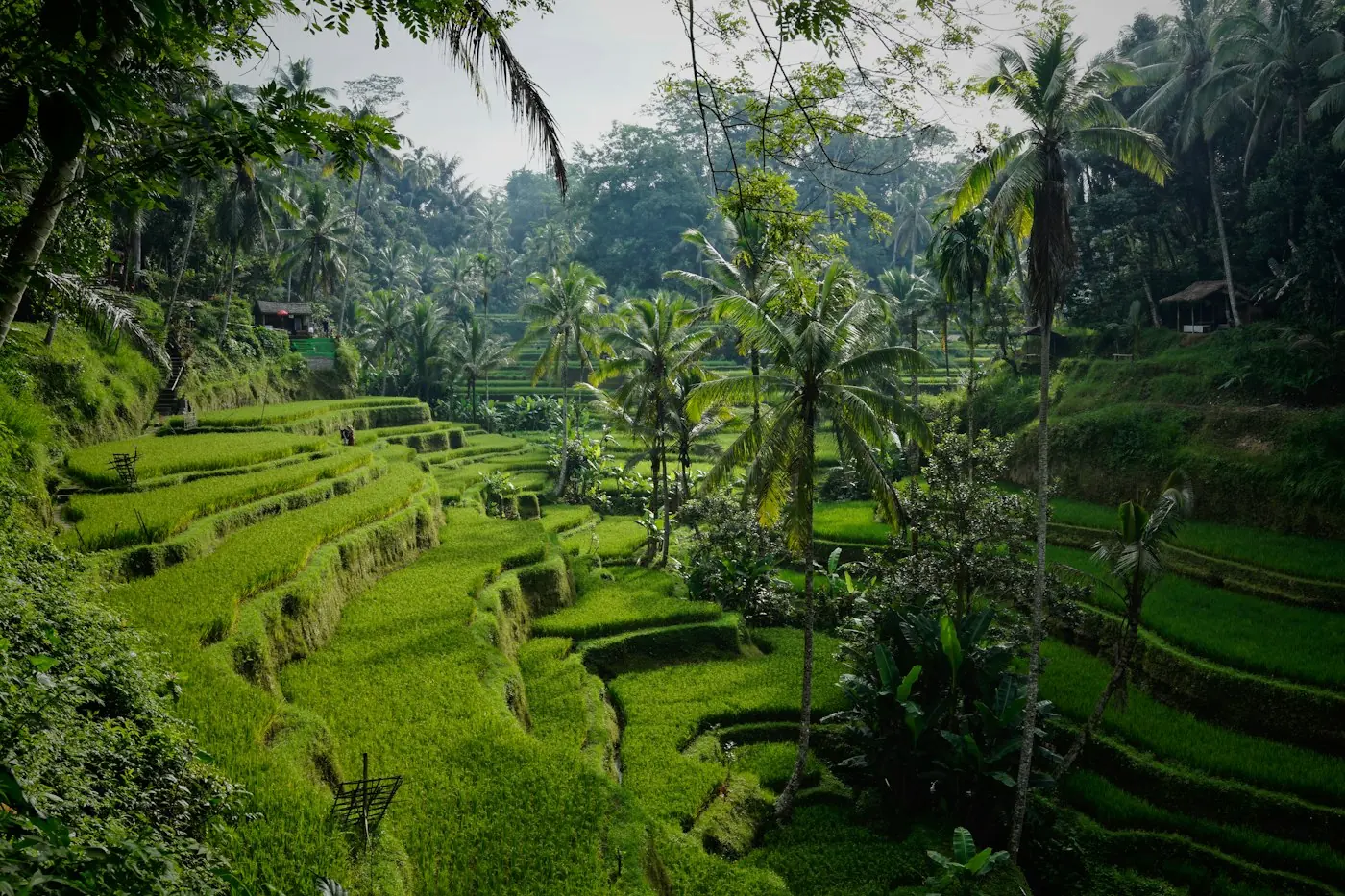
Bali's crowds are real, but they are also remarkably concentrated. Most visitors stay in a triangle of the south and Ubud, which leaves a surprising amount of the island running at its own pace. Stay outside that triangle and set your alarm for a couple of big sights, and you will wonder what everybody is complaining about.
I have been back to Bali in both wet and dry seasons, and my advice has become simpler each time: spend almost all your nights in two or three of the quieter areas, keep your driving to short hops, and accept that a few famous places are simply not worth what they now cost in queuing.
Where to stay for a slow trip
Sidemen: rice fields and not much else
About two hours from the airport in the east, Sidemen is a valley of terraces, with Mount Agung behind it when the cloud lifts. It is what people hope Ubud will be. There is nothing to do except walk between the fields, watch songket weaving and eat well at small guesthouses, which is the point. Allow three nights and roughly £30 to £60 a night for a double with a view.
Munduk: cool air and waterfalls
This old coffee and clove area in the northern highlands sits at around 800 m, so you may want a jumper in the evening. It is about 2.5 to 3 hours from the airport. Walk down to the Munduk and Melanting waterfalls, look out over the twin lakes of Tamblingan and Buyan, and go to bed early. You can visit the temple on the lake at Ulun Danu Beratan from here before the coaches have left the south.

Amed: black sand and easy snorkelling
This strip of fishing villages on the north-east coast is about three hours from the airport. The beaches are dark and pebbly rather than postcard white, but the reef is close to shore and you can snorkel straight off the beach. Divers go a little further to the wartime wreck at Tulamben, one of the easiest good wreck dives anywhere. Expect to pay £25 to £50 a night for simple seaside rooms.
Pemuteran: the far north-west
The furthest from the airport, at about 3.5 to 4 hours, and the quietest of the lot. Pemuteran is a good base for boat trips to Menjangan Island in West Bali National Park, where the snorkelling is the best I have had on the island. A day out costs roughly £35 to £50 including the boat and the park fee. Go if you have more than ten days. Otherwise it is too much driving.
Worth the early alarm
A few sights do justify their fame, and all of them improve dramatically before 9am.
- Ulun Danu Beratan: be at the gate around opening time, usually 7am or so. Entry is about £3 to £4. By 11am it is a coach park with a temple attached.
- Jatiluwih rice terraces: a UNESCO-listed landscape in central Bali and a far better choice than Tegallalang. Entry is around £4, and you can walk marked paths through the working fields for an hour or more.
- Tirta Empul: the holy spring near Tampaksiring. Arrive at opening and bring a sarong, and if you join the bathing ritual, watch what local people do first and follow it respectfully.
- Sekumpul waterfall: near Singaraja, down a long flight of steps and across a river. Go with a local guide, skip it after heavy rain and allow about three hours in total.
Most of what makes Bali feel good is doing less of it.

Where to skip
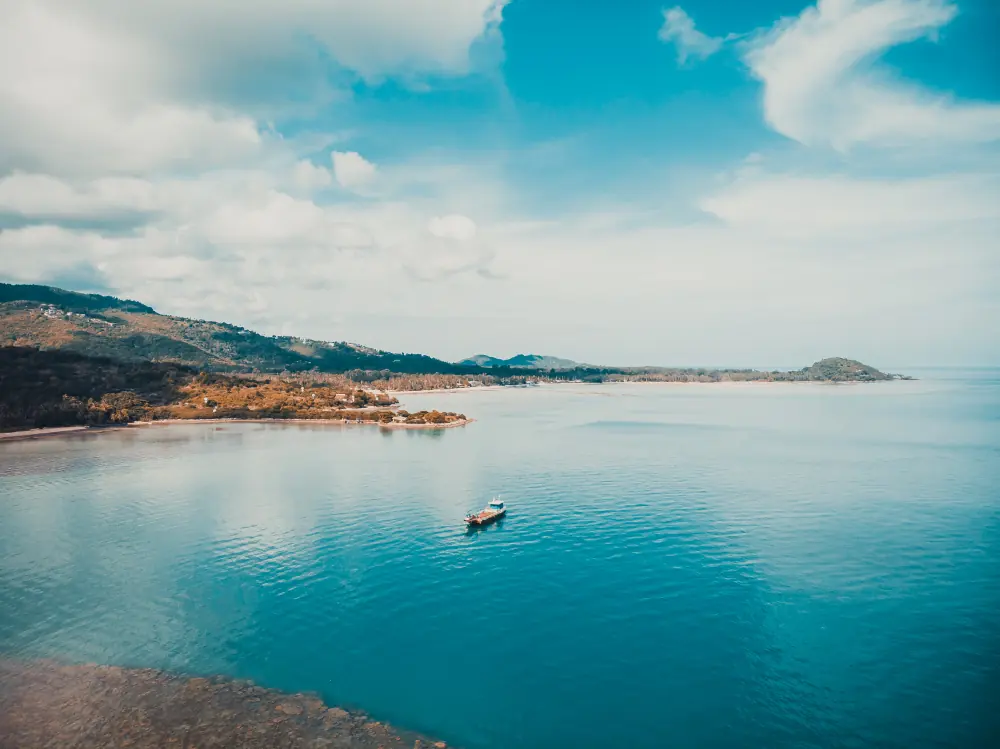
None of these places is terrible, but each costs you more than it gives back, usually in traffic. Here is what I would do instead.
| Skip | Why | Do this instead |
|---|---|---|
| Kuta and Seminyak as a base | Traffic, beach touts and little that feels Balinese | A last night in Sanur, about 30 minutes from the airport and far calmer |
| Canggu | Lovely five years ago. Now one long jam of scooters and building sites | Balian or Medewi on the west coast if you came to surf |
| Tegallalang rice terrace | Paid swings, photo props and a toll at every path | Jatiluwih or a walk around Sidemen |
| Lempuyang's "gates of heaven" | Waits for the photo can run to hours, and the famous lake reflection comes from a mirror held under the camera | Go for the climb to the upper temples, or give it a miss |
| Ubud as your only base | The centre has more traffic than charm these days | Stay on the edges, in Penestanan or Sayan, for two nights at most |
| Nusa Penida as a day trip | A boat, poor roads and queues at every viewpoint | Stay a night or two on Nusa Lembongan, or skip the islands altogether |
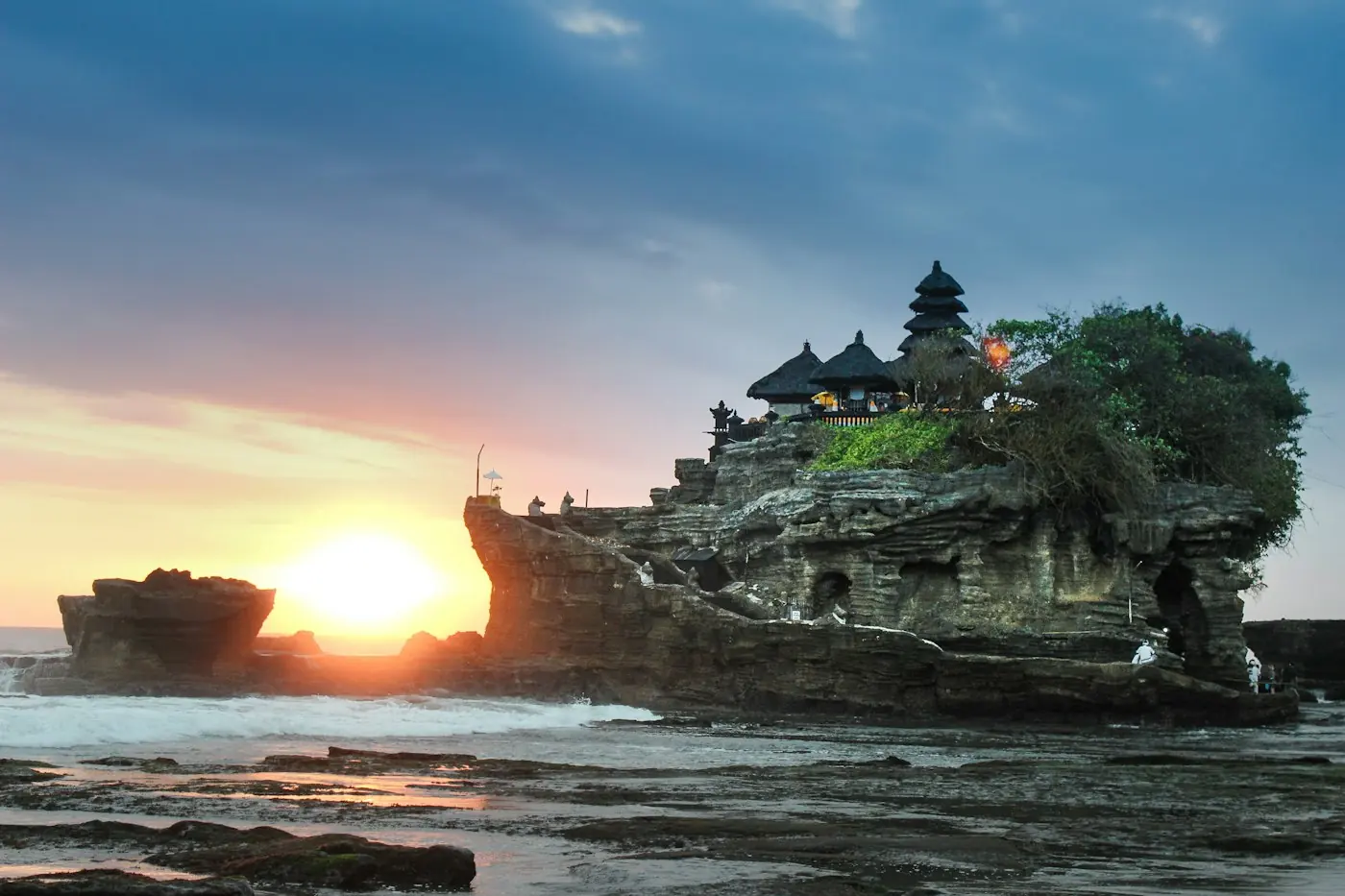
Sunset at the sea temples of Tanah Lot and Uluwatu sits in the middle category. They are striking places, and they draw thousands of people at exactly the same hour. If you must go, arrive in the morning, or be at peace with a crowd. The kecak dance at Uluwatu is enjoyable theatre and worth seeing if you are already nearby, but not worth a long drive from the north.
A simple plan, and how to get around
For ten nights, I would do three in Sidemen, three in Amed, three in Munduk and one in Sanur before flying. Each transfer is about three to four hours with stops, and the road from the coast up to Munduk is winding but scenic. That order runs around the island in one direction, with only the last leg heading back to the south.
There is no useful train and little public transport outside the south, so most people hire a car with a driver. Budget about £30 to £45 a day, agreed in advance, including fuel. It sounds indulgent, but it is roughly the same as a hire car at home, and you avoid the roads. Hiring a scooter is common, but only do so if you are an experienced rider with the correct licence, because many travel insurance policies will not pay out otherwise, and accidents are the most common way to ruin a Bali trip. Check GOV.UK before you decide.
When to go and what to check
The dry season runs roughly from April to October. July, August and the weeks around Christmas are the busiest, so April to June and September are the times I would choose. The wet season, from November to March, brings heavy afternoon rain and lower prices, and the rice fields are at their greenest. It suits a slow trip well, but do not count on snorkelling or the Sekumpul steps. One date to watch is Nyepi, the Balinese day of silence, which usually falls in March. The whole island shuts for 24 hours, including the airport, and visitors must stay indoors. It is rather wonderful if you plan for it and a shock if you do not.
- Entry: UK visitors currently need a visa on arrival of about £25 and pay a separate tourist levy of around £7. Check GOV.UK for the latest requirements.
- Getting there: there are no non-stop flights from the UK, so expect one or two stops and 17 to 20 hours each way, often for £600 to £900. Try our guide to finding cheap flights.
- Health: look at the NHS travel health advice a good two months before you go. Rabies is present on the island, so do not touch monkeys or stray dogs, however friendly they seem.
- Temples: cover your legs with a sarong, which is often available to borrow at the gate. Give way to ceremonies, and do not stand above priests or offerings for a picture.
Most of what makes Bali feel good is doing less of it. If that sounds appealing, our piece on slow travel takes the idea further, and how to choose an island sets Greece, Thailand and the Maldives against each other if you are still undecided.
Comments (1)
Jess Thornton
We are going in May and neither of us rides a scooter. Is Sidemen manageable without a driver every day, or would we be stuck at the guesthouse?
VAMOSVIVER editors Editorial reply
Manageable, and being stuck at the guesthouse is partly the point. Most people walk the field paths from the door and ask their host to arrange a driver for a day or a half day, usually for around £20 to £35. Book the transfers in and out in advance and leave the rest flexible.
Leave your comment
Your email address will not be published. Comments appear after moderation. All fields are required.